LiFePO4 Battery Storage: Cycles, Safety and What to Ask Your Supplier
LiFePO4 is the standard chemistry for home and commercial storage. This guide explains cycle life, safety and the questions to ask before you buy.
LiFePO4 — lithium iron phosphate — is the standard chemistry for home and commercial battery storage. It offers thousands of charge cycles, a stable chemistry and a long service life when it is used properly. What matters is not just the chemistry, but the cycle rating, the safety features and the supplier behind the battery. This guide explains what to look for.
What is LiFePO4?
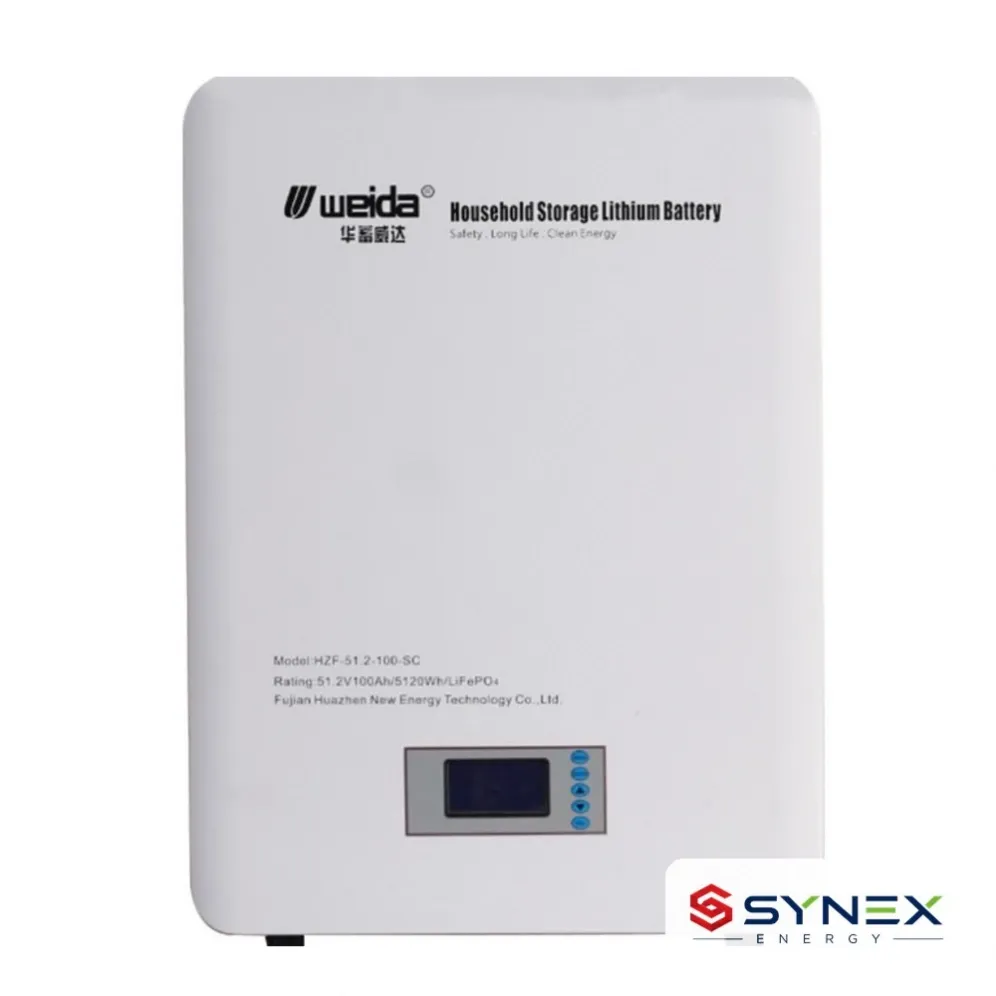
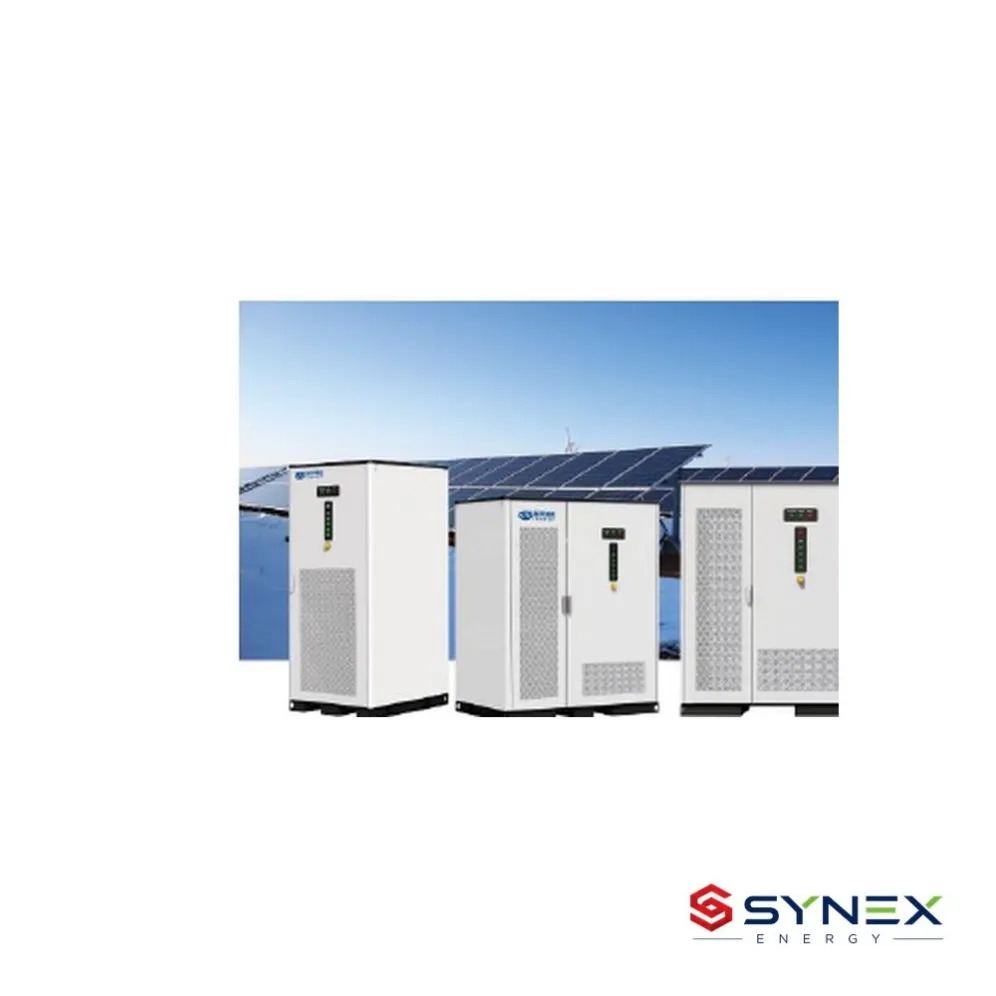
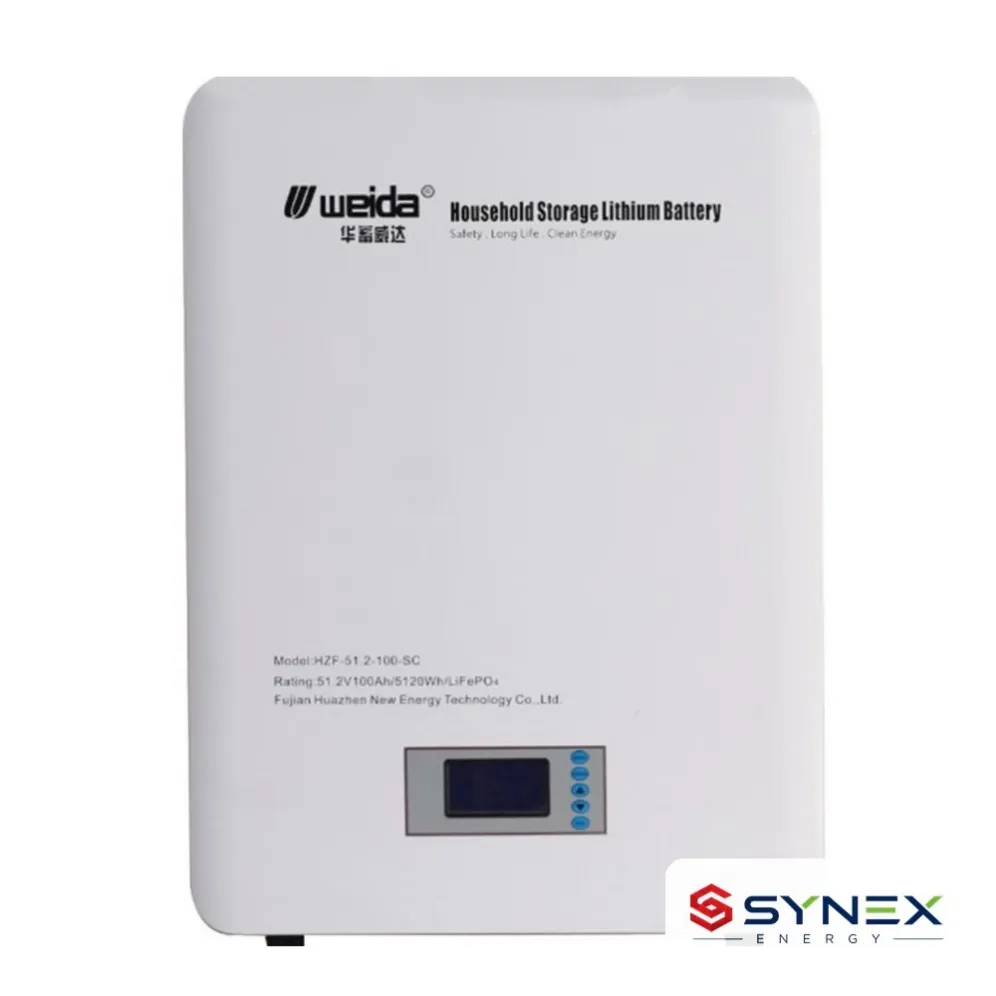
LiFePO4 is a type of lithium-ion battery that uses iron phosphate as the cathode material. Compared with other lithium chemistries it is known for thermal stability — it is less prone to overheating — and for a long cycle life. That is why LiFePO4 is used across the Synex home and commercial storage range, from the 5.12kWh home batteries to the 215kWh commercial cabinets.
Cycles: what the number means
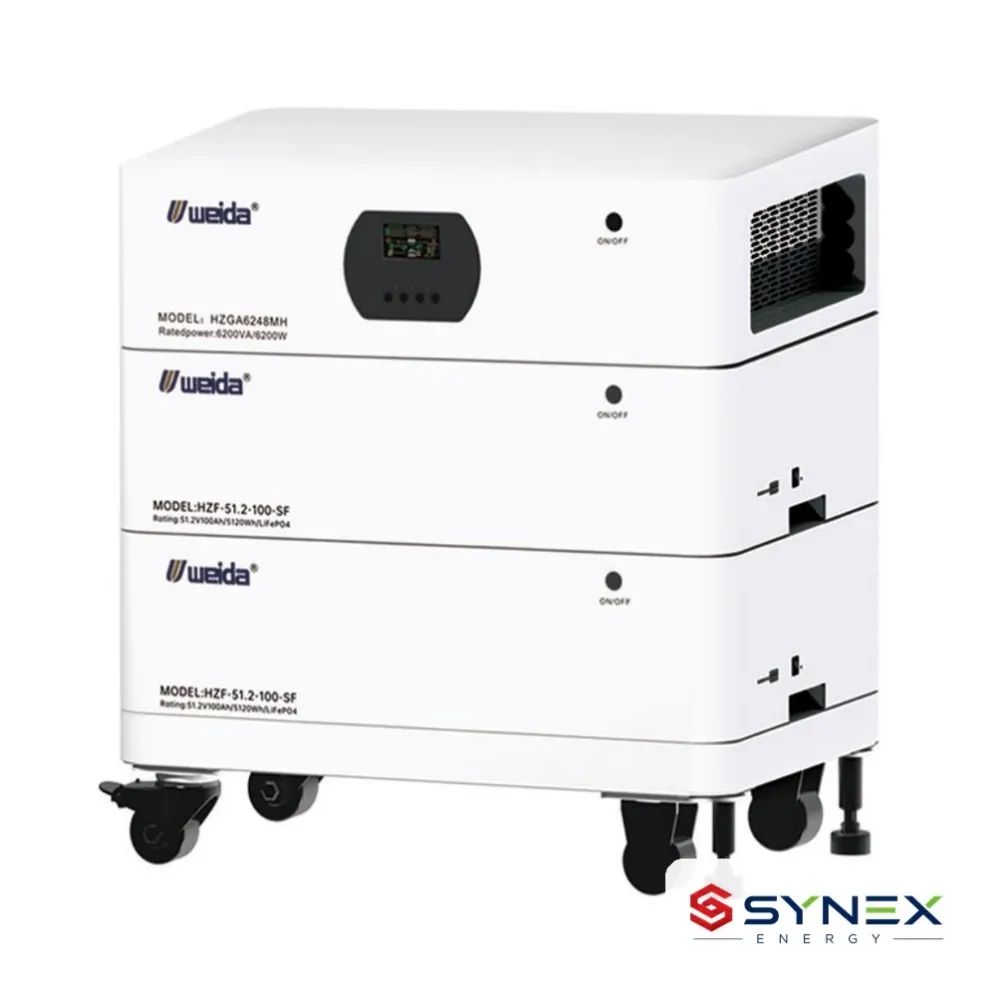
A cycle is one full charge and discharge. A battery rated for 5000 cycles can be charged and discharged about 5000 times before its capacity falls to the level the manufacturer defines as end of life. The Synex range shows the spread: the 5.12kWh stacked home battery is rated for 5000 cycles, the 48V 560Ah forklift battery for 4000 cycles, and the 20kW / 107.52kWh outdoor cabinet and the 100kW / 215kWh outdoor cabinet for over 6000 cycles.
Read the small print
Cycle-life figures are per manufacturer test conditions — the depth of discharge, the charge rate and the temperature used in the test. A battery cycled gently in a cool room lasts longer than one cycled deeply in heat. When you compare two batteries, compare the test conditions as well as the headline number. If a supplier cannot tell you the test conditions, treat the number with caution.
Safety: what protects the battery
Safety comes from the chemistry and from the system around it. LiFePO4 chemistry is thermally stable. On top of that, a battery management system (BMS) watches voltage, current and temperature and stops the battery from overcharging or over-discharging. The 12V / 24V lead-acid replacement battery carries Bluetooth and app monitoring, so you can see what the battery is doing from your phone. Commercial cabinets add more layers: the 100kW / 215kWh outdoor cabinet has built-in fire suppression, and the liquid-cooled 215kWh / 100kW cabinet keeps cell temperatures even. When you choose a battery, ask how it is protected — chemistry alone is not the whole story.
What to ask your supplier
- What is the cycle rating — and under what test conditions? Get the depth of discharge, charge rate and temperature used in the test.
- What certifications does the battery hold? Certification is available on request — ask for the documents for your market and check they cover your country, not just the cell.
- What does the warranty cover? Ask what is covered, for how long, and what the warranty requires of you — for example, an installation or maintenance condition.
- Can the system grow? Check whether you can add capacity later: the 5–16kWh rack-mount battery scales to 15 units in parallel, and the 10kW / 14.7–22kWh stacked system stacks to 22kWh.
- What happens if something goes wrong? Ask who supports the product after delivery and how a fault is handled.
- What is the price and lead time? Pricing and availability depend on configuration, quantity and destination. A supplier who gives a single number without knowing your site is guessing.
Frequently asked questions
Is LiFePO4 safer than other lithium batteries?
LiFePO4 is known for thermal stability compared with other lithium-ion chemistries, and it is the standard choice for home and commercial storage. Safety also depends on the battery management system and the installation, so check both.
How long will a LiFePO4 battery last?
It depends on the cycle rating and how the battery is used. A battery rated for 5000 or 6000 cycles, cycled once a day, can serve for many years; cycle-life figures are per manufacturer test conditions, and deep cycling in heat shortens life.
Can I replace a lead-acid battery with LiFePO4?
Yes, in many cases: the 12V / 24V lead-acid replacement battery is a LiFePO4 drop-in replacement with Bluetooth and app monitoring. Check voltage and size before you order.
Do I need a special inverter?
A LiFePO4 battery works with a compatible hybrid inverter, such as the 5.5–11kW hybrid inverter or the 6–12kW hybrid inverter, IP65, or with an all-in-one unit such as the Synex Home All-in-One 6kW / 5–10kWh.
Get a quote
Synex Energy Solutions supplies LiFePO4 storage for homes, businesses and industry — from a 5.12kWh wall-mounted battery to a 215kWh commercial cabinet. Contact us or open the Get a Quote dialog in the header, and we will help you choose the right battery for your site.